How The Cave Air Is Monitored, And Why Tours Can Stop
Visitors change a cave’s air. How monitoring helps protect limestone and glowworms, and what that means for planning a guided visit.
 Written with Hemi Williams, Waitomo cave guide and local specialist, guiding since 2015
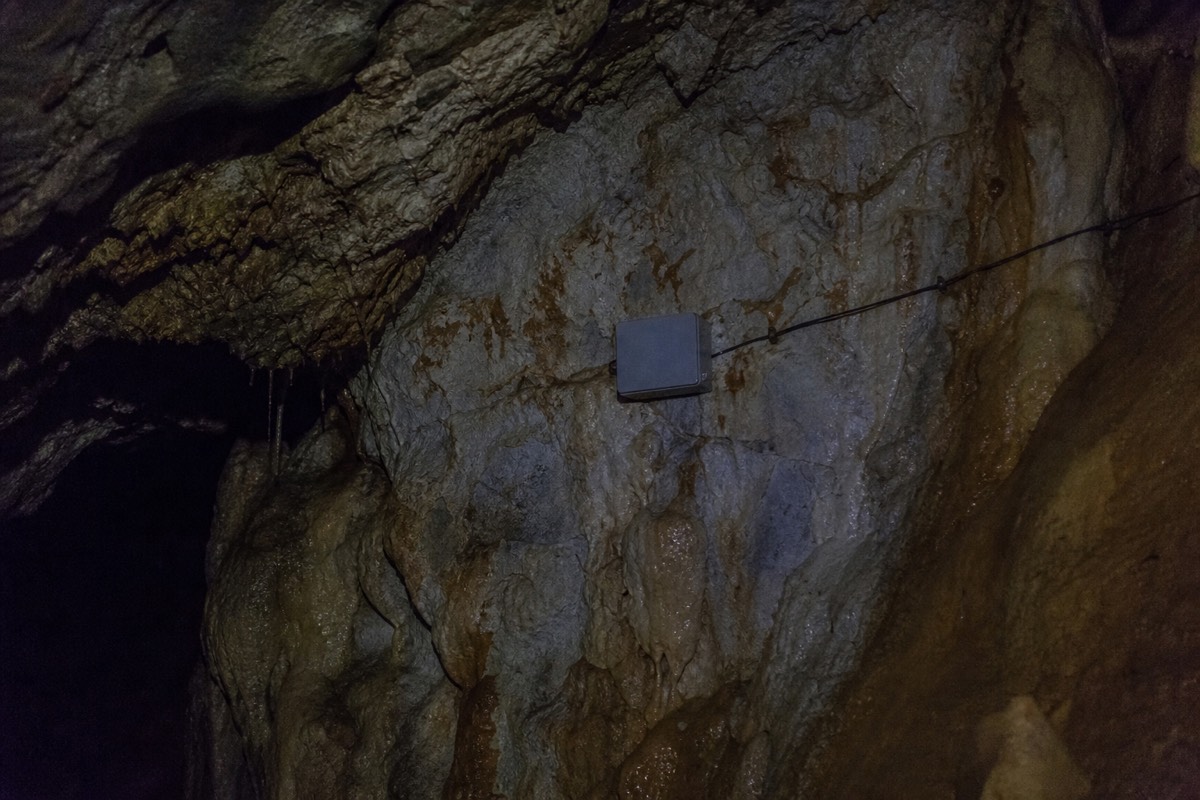
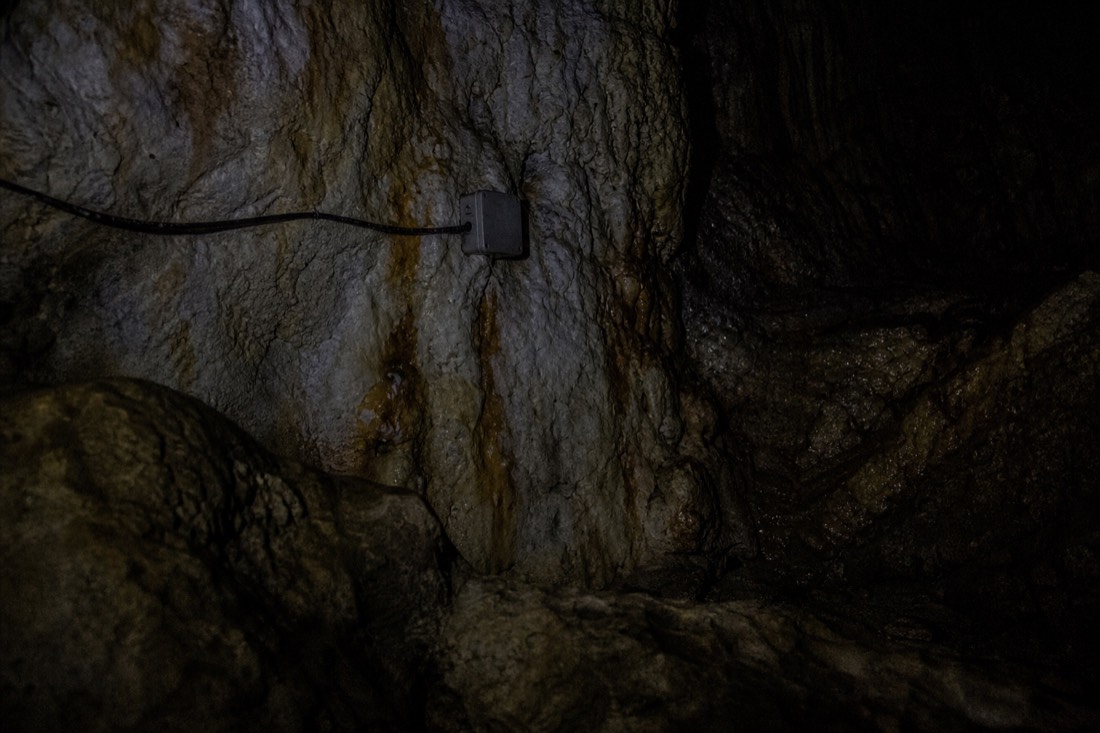
Visitors breathing in a cave can raise its carbon dioxide level. Monitoring carbon dioxide, temperature and humidity helps managers understand conditions and protect the cave environment.
Why Does Cave Air Need Monitoring?
Because human breath changes it, and the change is chemically destructive. Carbon dioxide dissolved into the water film on a limestone surface makes that water more acidic, which dissolves the calcite that formations are made of. Add heat and humidity from bodies, and a show cave slowly degrades the thing people paid to see.
Waitomo is a working show cave, where monitoring helps managers assess the effects of visitor activity on the underground environment.
| What is measured | Why it matters |
|---|---|
| Carbon dioxide | Acidifies water films, dissolves formations |
| Temperature | Visitor activity can add heat to the cave environment |
| Humidity | Affects both the formations and the glowworm colony |
| Visitor numbers | The input variable the operator can actually control |
The monitored conditions and the role of visitor management.
| Variable | Measured? | Controllable? |
|---|---|---|
| Carbon dioxide | Monitored | Visitor management is one influence |
| Temperature | Monitored | Management can affect heat inputs |
| Humidity | Monitored | Conditions require ongoing assessment |
| People inside | Yes | Yes, this is the lever |
What Is The Carbon Dioxide Limit?
The current operating threshold is a management question, not something a booking page measures. Carbon dioxide is monitored alongside other cave conditions. The research linked below explains the conservation problem; it should not be treated as a live air-quality report or a guarantee that today’s tour will run.
NIWA has published on the subterranean sensing work behind this kind of monitoring, and the Department of Conservation's cave science material covers the broader problem of running a show cave without wrecking it. This is a well-studied field in New Zealand, for the obvious reason that the country has a lot of limestone and a lot of visitors.
A visit can be affected by operating conditions. The tour listing is explicitly weather-dependent; there is no verified basis here for ranking air-quality and weather interruptions. What rain actually does is a shorter list than people expect.
Monitoring carbon dioxide, temperature and humidity helps inform cave management.
Does It Affect The Glowworms Too?
Indirectly, and the colony is the more sensitive thing in the cave. Arachnocampa luminosa needs stable humidity to keep its silk fishing lines working and its mucous tube intact, and it responds to light and vibration by dimming.
That is the connection between the instrumentation and the rules visitors actually notice. The photography ban, request for quiet and managed group flow are part of the visitor experience. Monitoring provides environmental information, but it does not by itself explain every rule. Why the camera ban exists makes more sense once you know the cave is being metered.
It also explains a small oddity of the tour. Reviewers occasionally note that the guide moves the group along at the Grotto rather than letting the boat sit. The guided visit follows a timed itinerary, which is the root of the most common complaint about the tour.
Has The Cave Been Damaged Before?
Show caves in general have a documented history of degradation from visitor pressure, which is precisely why modern management looks like this. Lighting encourages algae to grow on formations, breath raises carbon dioxide, and body heat shifts a microclimate that took millennia to settle.
The response at Waitomo is instrumentation plus throughput control, which is a more serious answer than most attractions give. It is also, quietly, an argument for the thing visitors complain about. The time visitors spend underground is one factor managers must consider alongside natural cave conditions.
Conditions that may affect a visit; this is not a frequency ranking.
| Condition | Planning implication | Where to check |
|---|---|---|
| Cave operating conditions | Operator assessment | Operator updates |
| Weather and river conditions | Tour is weather-dependent | Operator updates |
| Ordinary weather | Check the operator’s advice | Before travel |
| Seasonal schedules | Check offered departures | When choosing a date |
Should Any Of This Change How You Visit?
Follow the operator’s advice and choose a departure that fits your day. Without current measurements, there is no basis here for declaring a morning tour better for air quality. An early departure also does not guarantee a smaller group.
Departure times and group sizes can vary; check the listing for your date. More on timing your arrival covers the crowd side, and the guide to hours and departures has the schedule.
Beyond that, the rules are the rules. Leave the camera, stay quiet, keep moving when asked. Follow the guide’s instructions throughout the route.
Does The Monitoring Change What A Visitor Experiences?
Visitor rules help protect the cave while keeping groups moving through the route. The table describes what visitors notice without treating each rule as a direct consequence of a sensor reading.
| What you notice | Practical context |
|---|---|
| The guide keeps the group moving at the Grotto | The visit follows a timed itinerary |
| Groups follow a scheduled departure | Book the time offered for your date |
| Lighting is dim and sparse | Light drives algae growth on formations, and disturbs the colony |
| Silence requested on the boat | Larvae dim in response to noise and vibration |
| No photography at all | The same colony logic, applied to light |
Environmental care and visitor management both shape a show-cave visit. The published itinerary does not establish how individual operational decisions are made on a given day.
Which Of The Waitomo Caves Is Under The Most Pressure?
The caves use different tour formats and management arrangements. Current comparable annual visitor counts are not established here, so the table describes the visitor experience rather than ranking environmental pressure.
| Cave | Visitor format | Rules visible to you |
|---|---|---|
| Waitomo Glowworm Caves | Guided walk and boat | No photography; follow the guide’s instructions |
| Ruakuri | 90-minute guided walk | Photography permitted |
| Aranui | One-hour formations walk | Follow the guide’s instructions |
| Small-group cave tours | Longer natural-terrain routes | Product-specific equipment and access rules |
Choose the route whose activities and restrictions suit you. A small-group wild-cave tour can allow phone photography while requiring more fitness and more demanding terrain than a show-cave visit.
Can a Waitomo cave tour be cancelled for air quality?
Operating conditions can affect a visit. Follow the operator’s updates; a booking page does not provide live air-quality readings, and the advertised tour is weather-dependent.
Why does carbon dioxide matter in a cave?
Dissolved into the water film on limestone, it makes that water more acidic, which slowly dissolves the calcite formations are made of. Combined with body heat and lighting, sustained visitor pressure degrades exactly what people came to look at.
What else is monitored?
Temperature and humidity alongside carbon dioxide. Temperature can vary, and the glowworm colony depends on stable humidity to keep its silk fishing lines functional, so both are managed rather than merely observed.
Does the monitoring explain the tour's pace?
The tour follows a timed walking-and-boat itinerary. Monitoring is part of cave management, but the evidence here does not establish it as the reason for a particular boat duration.
Is the morning better for air quality?
No such guarantee can be made without current measurements. Choose a departure that fits your itinerary and follow the operator’s advice about conditions.
Choose Your Cave Date
Ready to plan your cave visit? Check the 45-minute walk-and-boat dates before arranging your journey.
45-minute guided walk and boat ride; allow extra time for check-in. English. Stairs, no wheelchair access and no photography. Meet at Waitomo; transport is not included.
Choose Your Cave
Do you want the managed Grotto route, a longer small-group cave outing, or a formations-only walk?
Tour duration excludes your travel and check-in. These are planning suggestions; confirm suitability and your chosen date with the provider.
- Glowworm Cave Walk And Boat
- 45-minute guided walk and boat ride; allow extra time for check-in. English. Stairs, no wheelchair access and no photography. Meet at Waitomo; transport is not included.
- Off The Beaten Track Cave Tour
- Around 3.5 hours exploring a wild cave with a guide. Phones and small cameras allowed, no professional cameras or tripods. Uneven terrain; unsuitable for mobility, back or heart problems. Meet the operator locally. Minimum age 12, maximum weight 120 kg and moderate fitness required.
- Aranui Formations Walk
- One-hour guided dry-cave walk with limestone formations and no glowworms. English. Own transport to Aranui; stairs, no wheelchair access. Arrive before the stated check-in time.